Blockchain: beyond cryptocurrencies
Blockchain has captured the imagination of the technology and financial worlds, not only because of its association with cryptocurrencies such as Bitcoin and Ethereum but also because of its potential to revolutionise a wide range of sectors. Digital currencies are just one of the many applications of blockchain technology, which offers an immutable, decentralised ledger capable of transforming the way transactions are carried out and recorded.
Applications of blockchain across sectors
Blockchain’s versatility extends to many fields, from financial services to real estate and energy. In the financial sector, it can make transactions more secure and efficient. In real estate, it simplifies the transfer of property titles. In logistics and distribution, it offers unprecedented product traceability. The public sector, too, can benefit from the transparency and reduced bureaucracy that blockchain can bring.
Blockchain in renewable energy
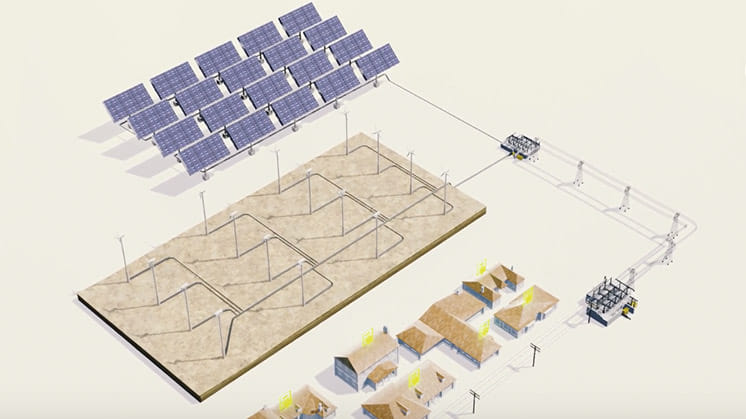
A recent example of blockchain in action can be found in self-consumption energy communities in Barcelona. There, blockchain makes it easier to manage and distribute the energy generated by shared photovoltaic installations, improving efficiency and allowing more accurate accounting of energy consumption and generation.
DLTs and the future of blockchain
Distributed ledger technologies (DLTs), such as blockchain, are recognised for their ability to safeguard data integrity and remove intermediaries. As these technologies evolve, so do their potential applications, constantly expanding the horizon of what is possible.
This overview only scratches the surface of what blockchain can offer. Its future is as promising as it is broad, and its impact on society and the global economy is only beginning to be understood and harnessed.
Newsletter
Events, news and analysis on digital law, straight to your inbox. Only when we have something worth telling you.