
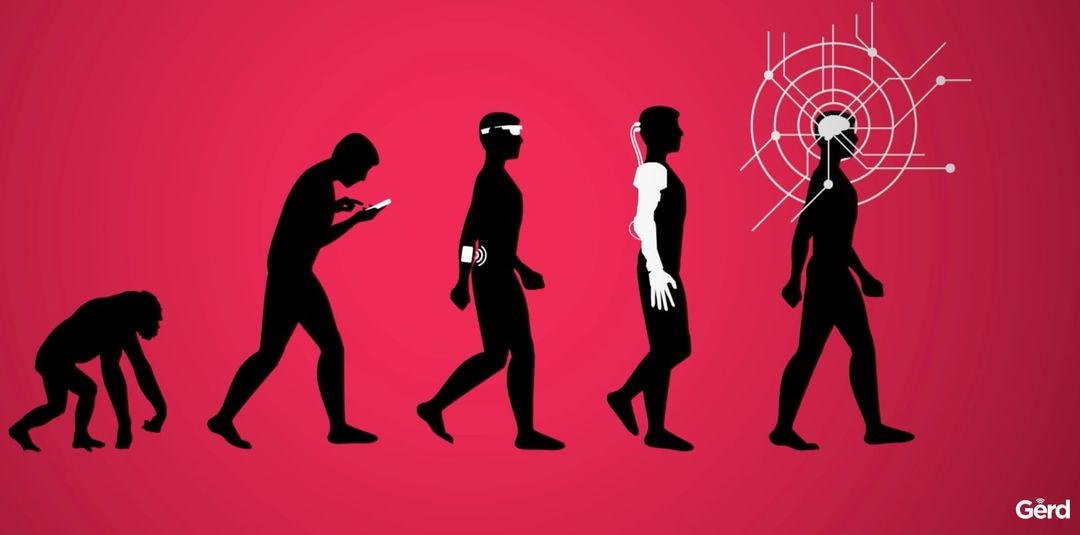
In the digital age, with our lives ever more closely intertwined with technology, a fundamental question arises: how do we preserve our dignity in a virtual environment that never stops changing? Human dignity is a fundamental and inalienable right, and it must be respected and protected in every sphere of life, the digital sphere included. The key to maintaining our dignity in the digital age, then, lies in freedom.
Digital identity has become an integral part of our lives. Through our online interactions we leave a digital footprint that shapes how others perceive us. Our online identity is built from the information we share, the things we do and the way we relate to others in the digital world.
Freedom, however, is essential to an authentic and dignified digital identity. It means being able to make informed decisions about how we present ourselves online, what information we share and who we share it with. It means having control over our own digital narrative, rather than falling victim to manipulation or unwarranted surveillance.
In the digital age, a lack of freedom can pose a constant threat to our dignity. Social networks, search engines and other online platforms collect vast amounts of data about us, which can be used to build detailed profiles and to personalise, to an extreme degree, the advertising and content we see. This can restrict our freedom of choice and expose us to algorithmic manipulation, in which our online activity is constantly analysed and used to influence our decisions and behaviour.
A lack of freedom online can also lead to discrimination and exclusion. Algorithm-based decisions can perpetuate biases and stereotypes, to the detriment of certain groups of people. Unequal access to technology and connectivity can likewise deepen existing inequalities, marginalising those who lack the means to take full part in the digital age.
To preserve our dignity in the digital age, it is crucial to champion online freedom. That means promoting policies and regulations that safeguard our digital rights, such as the right to privacy, data protection and transparency in the use of algorithms. It also means educating ourselves and others about how to protect our privacy and make informed decisions online.
It is equally important to develop technologies that respect freedom and human dignity. Those who design and develop technology must consider the ethical impact of their products and make sure they do not perpetuate discrimination or exclusion. Artificial intelligence and other emerging technologies can be used responsibly, with a human-centred approach, to promote freedom and dignity in the digital age.
In short, dignity in the digital age depends on freedom. To maintain a respected digital identity and preserve our privacy, we need the freedom to choose what information we share, who we share it with and how we use it. Control over our personal data and the ability to exercise our digital rights are the cornerstones for ensuring that our digital identity is treated with dignity and respect. Freedom allows us to make informed decisions, protect our sensitive information and safeguard our integrity online, thereby fostering a more inclusive and equitable digital society.
Newsletter
Events, news and analysis on digital law, straight to your inbox. Only when we have something worth telling you.