In brief
- On 13 November 2026 the Spanish prosecution service filed a complaint against TikTok Technologies Spain SL before the on-duty court of the Madrid Tribunal de Instancia.
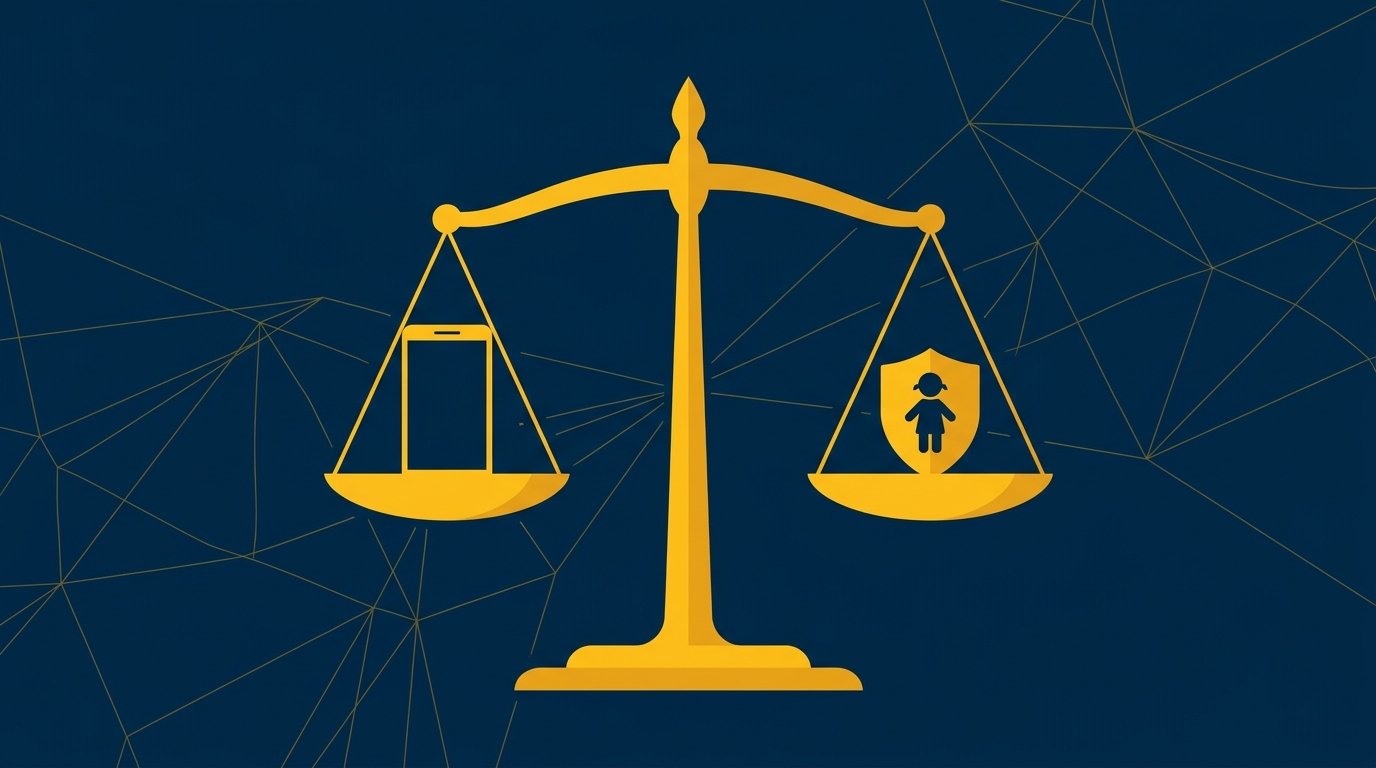
- It asks the court to investigate possible offences linked to the spread of child sexual abuse material and to order urgent removal of the reported content.
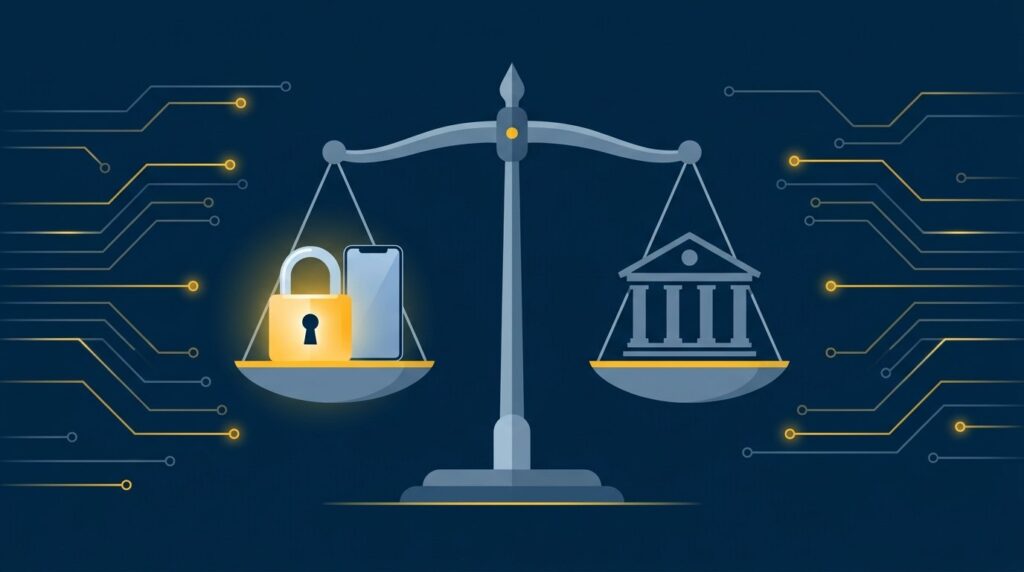
- The case adds a criminal track to the administrative one and raises the question of how criminal law and EU digital services rules fit together.
Spain’s prosecution service has filed a complaint against TikTok Technologies Spain SL before a Madrid court, asking it to investigate the possible spread of child sexual abuse material on the platform. It matters because the issue moves from the administrative and political arena into criminal law, with a judge in charge.
What happened
On 13 November 2026, the Fiscal de Sala de Criminalidad Informática (Chief Prosecutor for Cybercrime), Elvira Tejada de la Fuente, filed the complaint before the Plaza de Guardia of the Tribunal de Instancia de Madrid (the on-duty court). She asks for an investigation into possible offences linked to the dissemination of such material and requests, urgently and immediately, the removal of the content reported.
The complaint stems from a report by the Fundación Maldita.es, which the previous Monday published an investigation claiming to have found more than a thousand videos containing explicit child sexual abuse material. According to the organisation, TikTok removed only five of the videos flagged and blocked another thirteen, in Spain only. TikTok says user safety is its top priority and that Maldita.es did not share its findings in full, which prevents it from removing the content.
According to Moncloa, the prosecution service had opened an investigation on 11 November after a letter from the Ministerio de Juventud e Infancia. The complaint does not name any individual: it is for the court to decide whether to admit it and which measures to order. These are alleged facts, and there is no judicial ruling yet.
Why the framework changes
Until now the focus was on administrative action, such as a possible intervention by the Agencia Española de Protección de Datos over content involving unlawful processing of minors’ data. The criminal route adds different tools: a judge can order investigative steps, set deadlines and order content removal, independently of regulatory supervision.
Open questions include how to delimit the liability of a Spanish subsidiary as against the entity that runs the service in the European Union, and how the content moderation duties of the Digital Services Act sit alongside the offences in the Código Penal.
Our view at CEA Digital Law
At the Euro-American Committee of Digital Law - CEA Digital Law we believe child protection cannot wait, but nor should it cut corners. We suggest three lines of thought.
- Cooperation with safeguards: organisations that detect illegal content and platforms need clear, secure channels to share evidence without spreading the material. A dispute over who hands over what delays removal, which is what protects victims most.
- Coordinated tracks: criminal authorities, digital services regulators and data protection authorities should act in concert, to avoid duplication and to ensure the presumption of innocence is respected for companies too.
- Lessons for other countries: in Latin America and the Caribbean and in Africa, where many platforms operate through small commercial subsidiaries, the case invites a review of who answers locally and what urgent takedown mechanisms the law provides.
The court’s decision on admission and its first measures will be key to follow.
Sources
CEA Digital Law
Newsletter
Events, news and analysis on digital law, straight to your inbox. Only when we have something worth telling you.