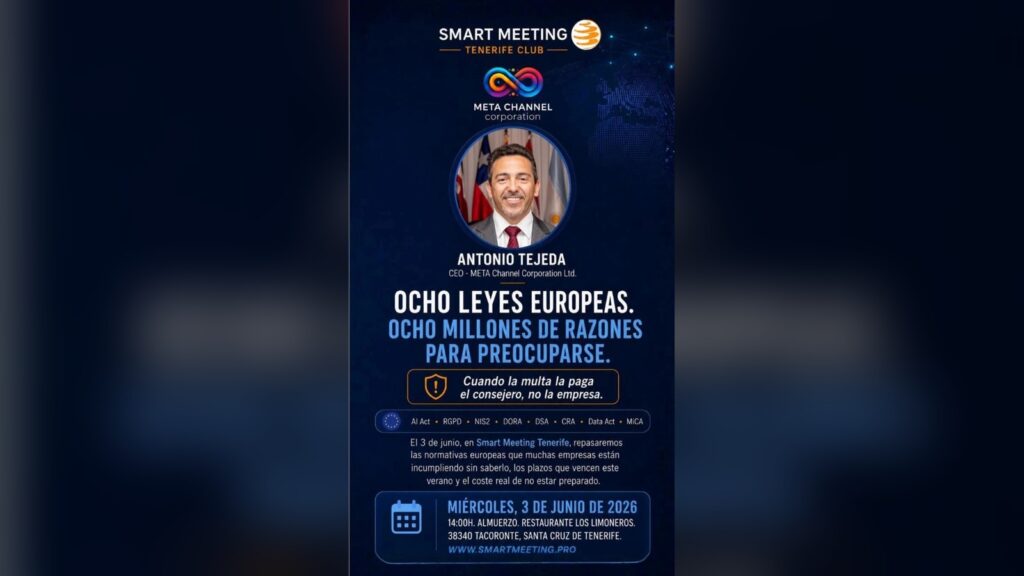
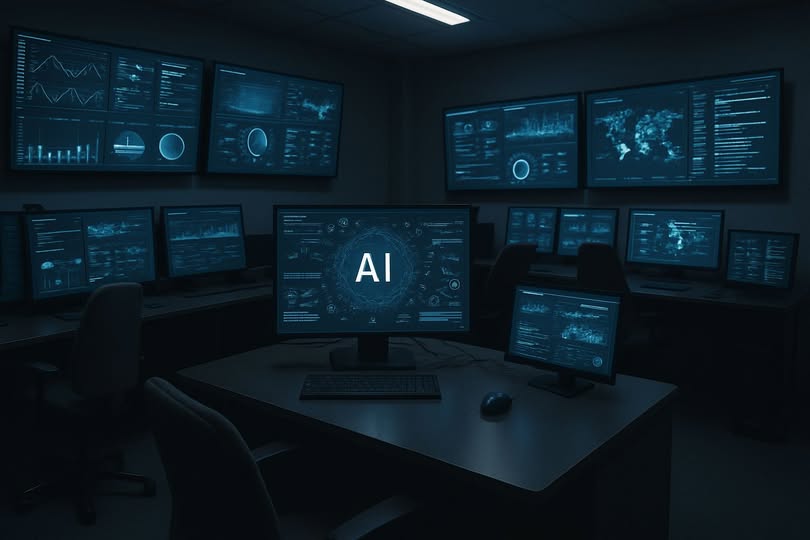
In this article published on PCDD Global, he invites us to pause and take a closer look, revealing that, for all its brilliance, AI has deep intrinsic shortcomings.
He explains that this highly advanced AI does not really ‘know’ in the human sense: it lacks the deep understanding, common sense and consciousness that define us. It simply operates according to the cold logic of algorithms. Nor does it ‘remember’ as we do: it does not treasure subjective experiences or learn from them with the richness of human memory, but merely stores and retrieves information. And, crucially, it does not ‘do’ things with ethical intent of its own, nor does it take intrinsic responsibility for its actions or their consequences.
Taken together, these gaps in conscious knowing and doing create a significant ‘void’: a space where undetected biases can flourish, where disinformation can spread unchecked, where decisions can be made without empathy and where accountability becomes blurred. It is a void that technology alone cannot fill.
But the story does not end with the recognition of this void. The article introduces the hero of the narrative: HUMAN GOVERNANCE. It alone can bridge that chasm. Through sound ethical frameworks, well-designed regulation and active, vigilant human oversight, we can guide the development and use of AI. This is not about holding back progress but about steering it wisely, ensuring that this powerful tool becomes an ally for the common good, mitigating its inherent risks and filling that void with responsibility, ethics and human purpose.
In essence, AI is a formidable instrument, but it is we, through effective governance, who must write the script for how it will be used to build a better and fairer future for all.
Newsletter
Events, news and analysis on digital law, straight to your inbox. Only when we have something worth telling you.