Antonio Tejeda Encinas. CEO, Meta Channel Corp. President of the Euro-American Committee of Digital Law - CEA Digital Law
Today I want to talk about a subject that both fascinates and worries me: the impact of deepfakes on electronic discovery.
In a world where generative artificial intelligence has reached unprecedented levels of realism, e-discovery professionals face new challenges in dealing with fake evidence. I will explore how these technological advances could make their work harder and more costly, and how the rules of evidence might be affected.
1. E-discovery and fake evidence
Electronic discovery, or e-discovery, is the process of searching for, collecting and reviewing electronic evidence in litigation and legal proceedings. E-discovery professionals have grappled with fake evidence before, but advances in generative AI have taken forgeries to an entirely new level of realism. The ability to generate convincing fake images, videos and documents raises significant concerns for the integrity of evidence and the effectiveness of the legal process.
2. Deepfakes and their impact
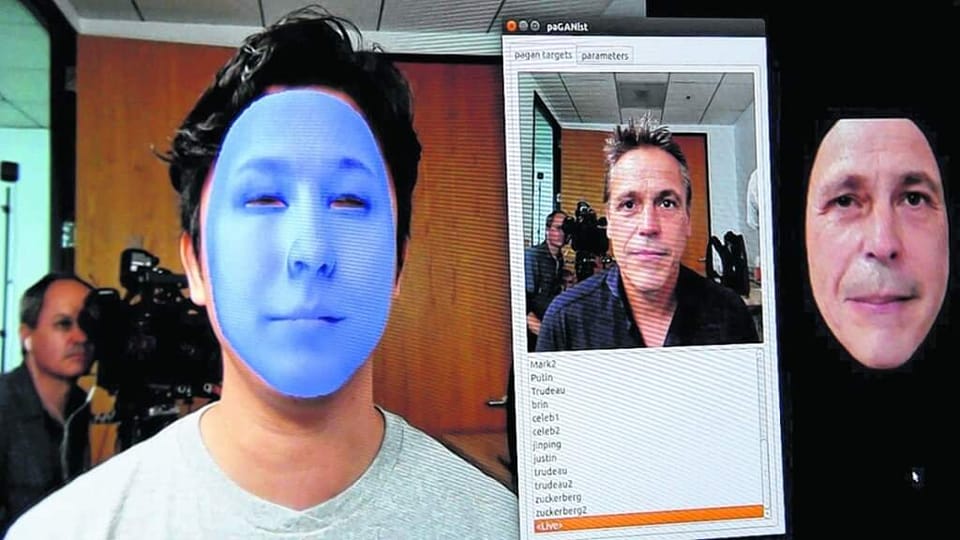
Deepfakes are products of generative artificial intelligence that can create extremely realistic fake visual or audio content. These techniques rely on machine-learning algorithms to analyse and synthesise data, making it possible to create images and videos that look genuine but are entirely fake. This capability is a cause for concern in e-discovery, as AI-generated fake evidence can deceive lawyers and courts alike.
3. Challenges for e-discovery professionals
Deepfakes present e-discovery professionals with new challenges. First, they must develop sophisticated methods and tools to detect and authenticate AI-generated fake evidence. This calls for specialist technical knowledge and additional resources, which could increase the cost and complexity of the process. Moreover, as deepfakes grow more sophisticated, it may become harder to distinguish real evidence from fake, raising ethical and legal problems over the admissibility of evidence.
4. The impact on the rules of evidence
Deepfakes also raise questions about the traditional rules of evidence in the courts. Current rules may not be adequate to deal with the emergence of AI-generated fake evidence, and changes to legislation and case law may be needed. Courts and legislators must consider how to adapt the rules of evidence to ensure fair and reliable legal proceedings in the age of deepfakes.
In short, advances in generative artificial intelligence have brought deepfakes to an unprecedented level of realism, posing significant challenges for e-discovery professionals. These forgeries can make their work harder and more costly, and they call into question the traditional rules of evidence.
It is crucial that e-discovery professionals keep up to date with techniques for detecting and authenticating deepfakes. Collaboration between AI experts, lawyers and legislators is also essential to address the ethical and legal challenges these technologies raise.
Ultimately, the aim is to strike a balance between technological innovation and the integrity of the legal system. As deepfakes continue to evolve, we must be ready to adapt and find solutions that protect justice and truth in e-discovery.
Newsletter
Events, news and analysis on digital law, straight to your inbox. Only when we have something worth telling you.