Antonio Tejeda Encinas. CEO of Meta Channel Corp. President of PCDD-Participación Ciudadana, Democracia y Derecho
In recent years, the development of artificial intelligence technologies has opened up a wide range of possibilities in many fields. One of the most worrying issues, however, is the advance of autonomous weapons: weapon systems capable of making decisions and acting independently, without direct human intervention.
Although the idea of autonomous weapons may seem straight out of a science fiction film, the reality is that this concept is ever closer to becoming a real and present threat to humanity.
What are autonomous weapons?
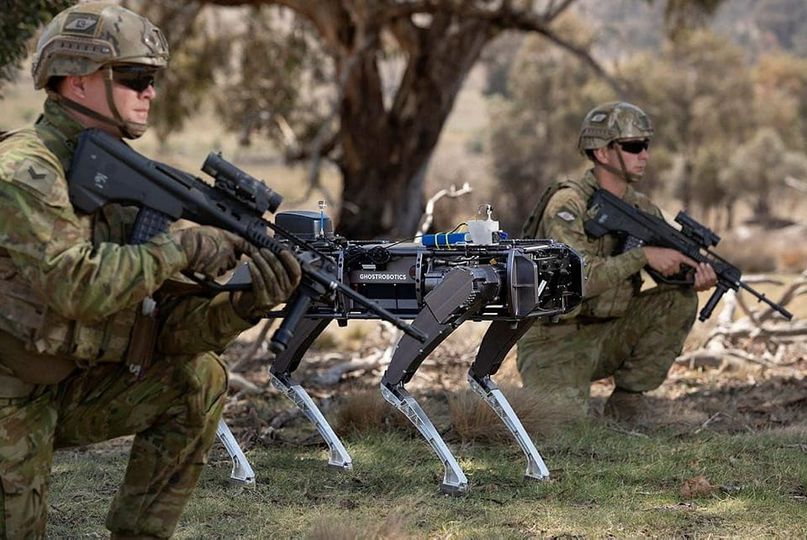
Autonomous weapons, also known as ‘killer robots’ or ‘killer drones’, are weapon systems that use artificial intelligence technology to identify and attack targets without the intervention of a human operator. They vary in their degree of autonomy, from systems that require human supervision to make decisions to those that can act entirely on their own.
Risks and challenges
The use of autonomous weapons raises a series of risks and challenges that must be carefully considered. One of the main fears is the lack of human control over decision-making. With no human operator involved, autonomous weapons might misidentify targets or carry out indiscriminate attacks, which could cost innocent lives.
Autonomous weapons could also be hacked or manipulated by malicious actors. If these systems fell into the wrong hands, they could be used to carry out terrorist attacks or to trigger armed conflicts without the need for a human army behind them. This lack of attribution and responsibility would make it difficult to hold anyone to account and to seek justice in the event of abuses.
Another major ethical challenge is the ability of autonomous weapons to decide who lives and who dies. The question of who bears responsibility for the decisions these machines take is a matter of debate and reflection. Furthermore, autonomous weapons could be programmed to act ruthlessly and without empathy, with no regard for ethical norms or human suffering.
Regulation and global debate
Given the risks posed by autonomous weapons, it is crucial to establish effective regulation and a global debate on their development and use.
International organisations such as the United Nations have begun to address this concern and have held meetings and debates on the subject. In 2016 the Group of Governmental Experts on Lethal Autonomous Weapons Systems was established to discuss how to tackle the challenges these technologies pose and to consider possible legal frameworks for their control.
Some advocates of a precautionary approach argue that the production and use of autonomous weapons should be banned before the risks are fully understood and managed. In their view, strict safeguards are needed to protect human rights and to prevent the indiscriminate or inappropriate use of these weapons.
Other experts maintain that, rather than an outright ban, clear rules and oversight mechanisms should be established to regulate the development and deployment of autonomous weapons. Such rules could include transparency requirements for the artificial intelligence systems used, the need for human oversight and control in decision-making, and the legal and moral responsibility of the parties involved.
The debate on autonomous weapons must also address the need for public education and awareness of the risks and ethical implications of their use.
It is important to involve society at large in these discussions, as decisions about autonomous weapons have a direct impact on everyone’s security and well-being.
Conclusion
The development and deployment of autonomous weapons pose serious risks to humanity. The lack of human control over decision-making, the potential for malicious manipulation and the ethical implications of letting machines decide who lives and who dies are concerns that must be addressed urgently.
It is essential for the international community to work together to establish effective regulation and an ethical framework to guide the development and use of autonomous weapons. Transparency, human oversight and accountability are key elements that must be built into any regulatory framework.
Ultimately, it is the responsibility of society as a whole to ensure that technological progress does not come at the expense of humanity’s fundamental values. Only through an ethical, well-regulated approach can we mitigate the risks and ensure that autonomous weapons do not become a threat to our security and to global stability.
Newsletter
Events, news and analysis on digital law, straight to your inbox. Only when we have something worth telling you.