
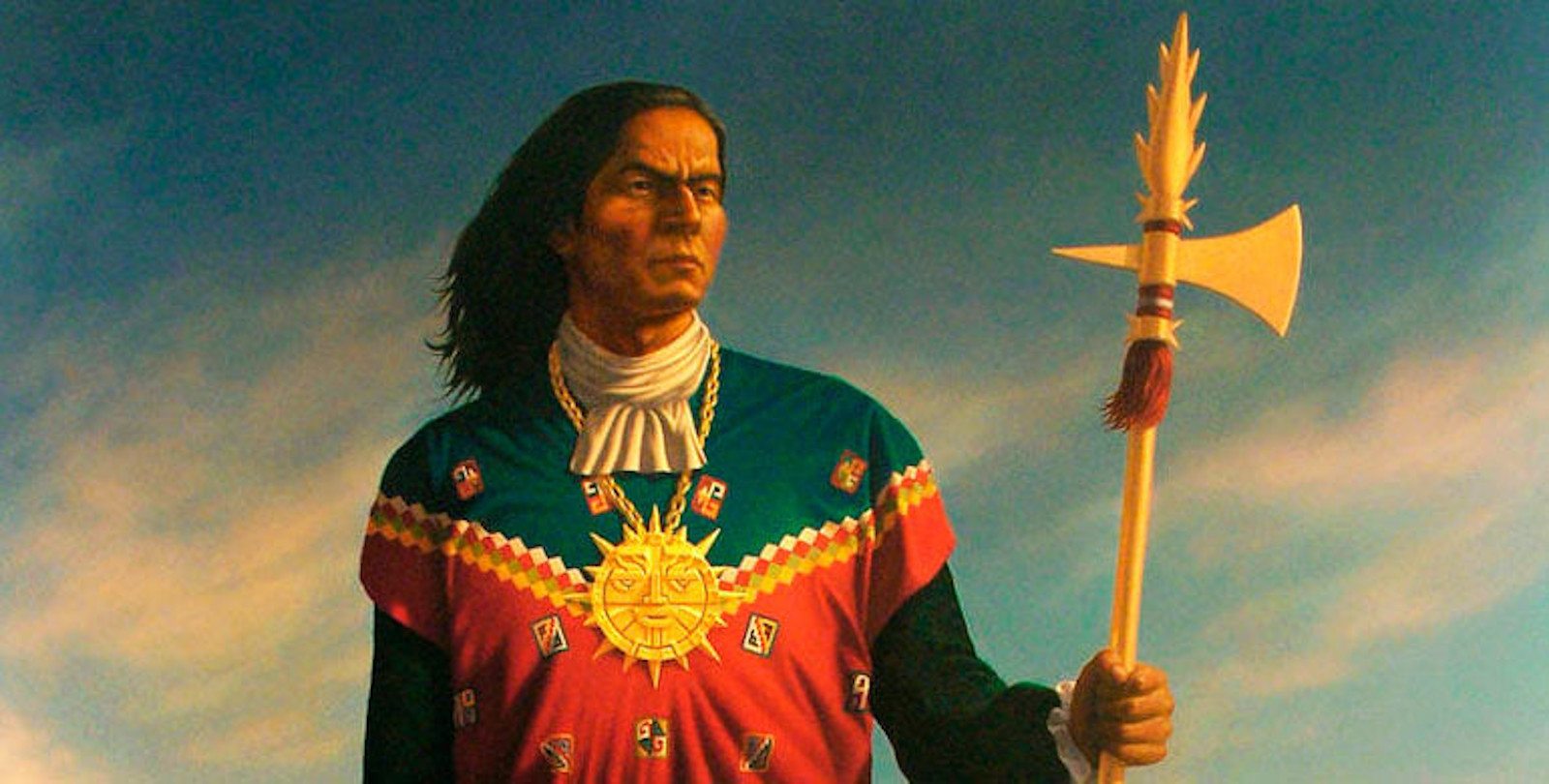
José Gabriel Condorcanqui, Túpac Amaru II, on a day like today in 1780, in the town of Tinta (Cusco), led the most renowned rebellion of the viceroyalty against the abuses of the corregidor Antonio de Arriaga. No historical record surpasses its impact as a protest for the dignity of Indigenous people, disdained since the days of Ginés de Sepúlveda, who claimed they had no soul, in contrast to their defense by Bartolomé de las Casas, known as the “Apostle of the Indians”. The cacique of Tungasuca, Surimana and Pampamarca, also called Inca (he was a grandson of Túpac Amaru I, the last Inca of Vilcabamba), was neither an anti-establishment figure nor a troublemaker or an anarchist, so holding him up as such an example is a serious error of historical conceptualization. He was born and grew up amid the comfort of an essentially syncretic life, that is, as Creole in his appreciation of the important Spanish culture as he was in displaying his undeniable pre-Columbian roots.
Newsletter
Events, news and analysis on digital law, in your inbox. Only when there is something to tell.