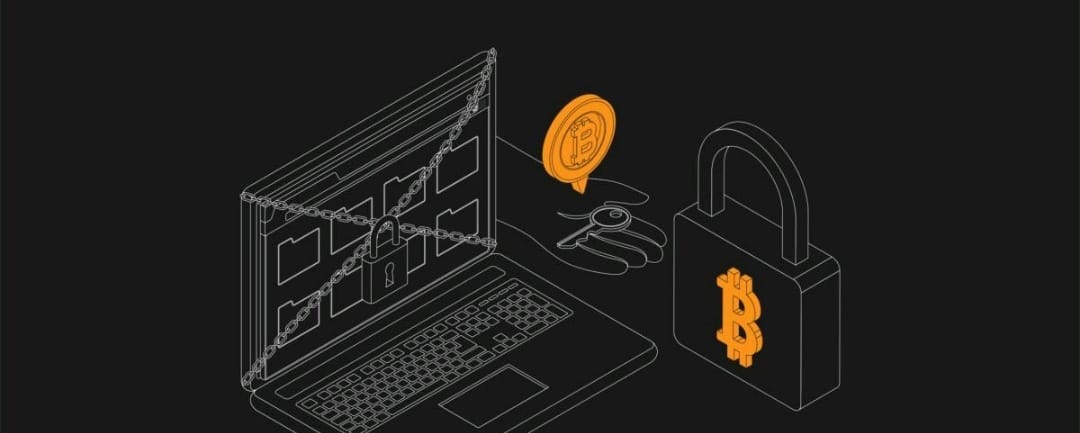
This is thanks to its agility and its ability to safeguard data integrity. In Spain, a worrying 21% of financial customers have suffered hacking or identity theft attempts aimed at accessing their accounts, which highlights the need to tackle the security challenges facing traditional financial institutions, such as a lack of transparency and the centralisation of data. Blockchain, by contrast, has a decentralised structure in which transactions are recorded in linked blocks and distributed globally. Each block contains encrypted data and refers back to the previous one, creating an unalterable chain of information. Key benefits of using blockchain to combat banking fraud include:
– Highly secure transactions: with blockchain, each transaction is recorded on an immutable, transparent chain of blocks, reducing the scope for data manipulation or fraudulent activity.
– Preventing accounting errors: companies can use blockchain to share financial information in real time; because everyone has access to the same up-to-date information, errors and confusion in the records are kept to a minimum and accounting becomes more accurate.
– Detecting suspicious activity: blockchain’s inherent transparency makes it easier to monitor and uncover unusual or fraudulent transactions, as the technology can automatically flag suspicious behaviour.
– Inter-institutional collaboration: blockchain makes it easier for different financial institutions and brands to form alliances, creating a network of synergies that drives progress in the financial sector.
In conclusion, the adoption of blockchain technology is a significant step forward in protecting financial data and preventing banking fraud. Its capacity to offer transparency, security and collaboration between financial institutions promises a safer, more efficient future for customers and institutions alike. As more banks recognise the benefits of this innovation, we are likely to see wider use of blockchain-based solutions to ensure data integrity and give customers peace of mind in the financial sector.
Boletim
Eventos, notícias e análises sobre direito digital, no seu e-mail. Só quando houver novidades.