
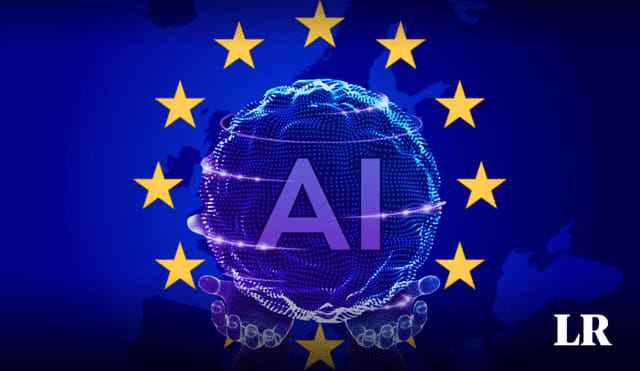
As I mentioned previously, the European Parliament has approved the world’s first artificial intelligence law, a significant milestone in the global regulation of AI. It marks an important step towards more reliable and trustworthy AI in Europe, striking a necessary balance between technological innovation and the protection of fundamental rights. I am pleased to see Europe taking the lead in this field and setting standards for the rest of the world.
The AI Act will restrict the use of biometric data, which means that significant adjustments will be needed to comply with the new rules. It is essential to understand the staggered compliance deadlines and how these rules will affect our AI projects and services. Spain also has an opportunity to stand out in this field, particularly with AESIA (the Spanish Agency for the Supervision of Artificial Intelligence) acting as the national AI regulator and with the launch of a dedicated ‘sandbox’ to test the new rules.
Although the formal approval of the AI Act is an important milestone, there are still steps to be completed. EU rules impose a series of requirements before it can enter into force, including final linguistic adjustments that will be incorporated at a later session of Parliament. Final enactment is expected towards the end of May. After that, there will be staggered compliance periods, with some prohibitions taking effect towards the end of this year and others in the years that follow.
It is crucial that businesses use this time to understand how the law will affect their products and services, and to plan the resources needed to ensure compliance. The complexity of this technology and its regulation calls for careful consideration: the interplay with other areas of digital regulation must be taken into account, and all legal requirements must be met.
In short, the AI Act marks an important step towards a more ethical and responsible use of artificial intelligence in Europe. As we move towards the full implementation of these rules, it is essential that businesses and professionals are ready to adapt and to comply with the new standards. This will not only ensure legal compliance but also foster a more ethical and trustworthy business environment in the field of AI.
Boletim
Eventos, notícias e análises sobre direito digital, no seu e-mail. Só quando houver novidades.