In brief
- Nigeria's Regulations for the Operations of Non-Security Virtual Assets took effect on 5 November 2026, covering stablecoins and P2P platforms.
- Platforms must match the name and BVN on the naira account to the verified customer and keep every trade traceable.
- Existing platforms must register within 30 days and apply for a licence within 180.
The Central Bank of Nigeria (CBN) has tightened its rules on peer-to-peer (P2P) crypto trading: platforms must now link each digital asset transfer to a verified bank payment. It matters because Nigeria is one of Africa’s largest crypto markets and P2P has been its main on-ramp.
What has been adopted
According to Techpoint Africa, the Regulations for the Operations of Non-Security Virtual Assets in Nigeria took effect on 5 November 2026 through a circular signed by Musa Jimoh, Director of the CBN’s Payments System Policy Department. They cover stablecoins, tokenised bank deposits and the businesses that issue, exchange, hold or move them. TechCabal reported the measure on 6 November.
Dollar-pegged stablecoins may only be offered in Nigeria if issued by a Nigerian-incorporated company licensed by the CBN. P2P trading also falls under the country’s foreign exchange controls.
What changes for P2P
- There is no separate P2P licence: a platform needs a CBN services licence or authorisation, plus specific approval to run P2P.
- Before releasing tokens, it must confirm that the name and Bank Verification Number (BVN) on the naira account match the verified customer.
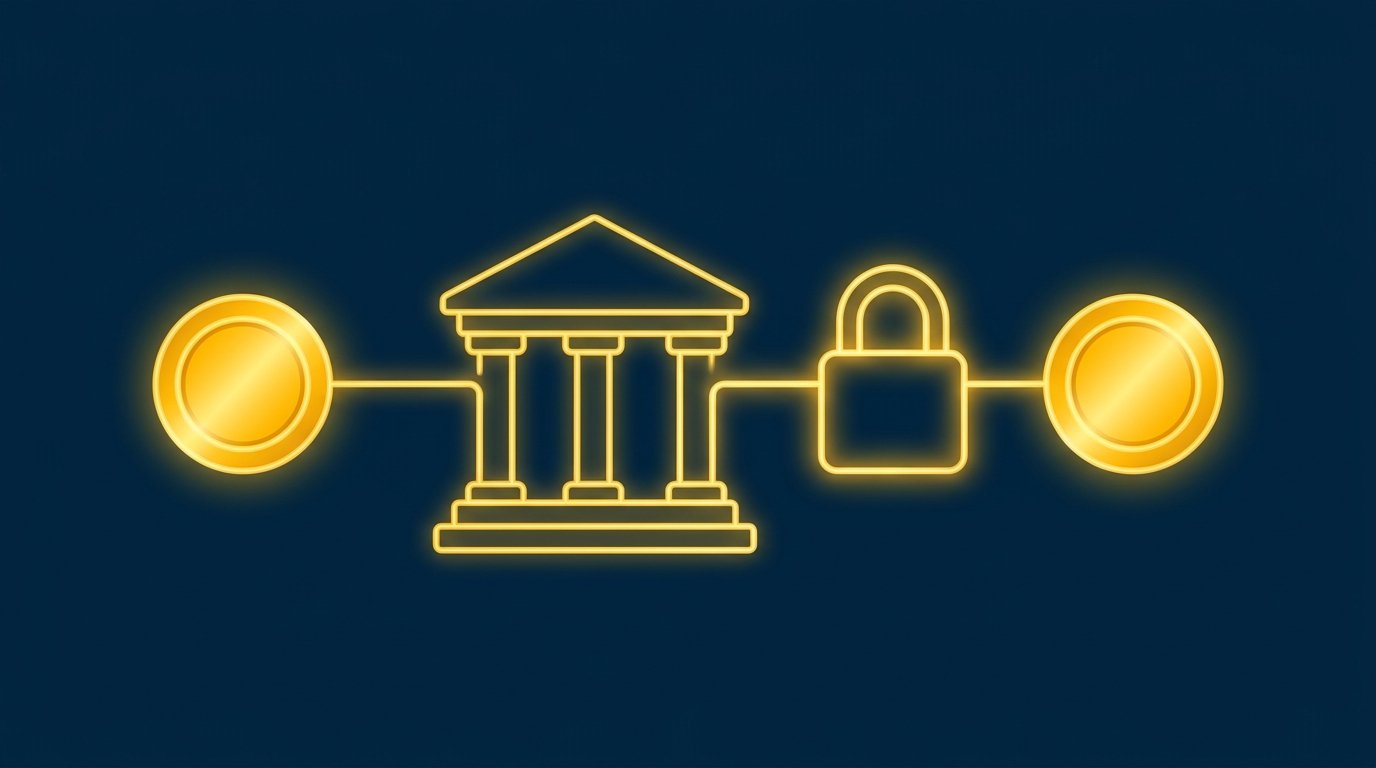
- The naira leg must pass through a permitted bank or payment channel, and each payment must be linkable to the crypto side of the trade and recorded, according to TechCity.
- Frequent traders who advertise rates may be treated as business users, with extra checks and limits.
- Existing platforms must register within 30 days and apply for a licence within 180.
The CBN also reserves the power to set further requirements on account verification, customer categories and limits.
Background
P2P grew after the 2021 circular that stopped banks serving crypto businesses. That stance was reversed in December 2023 with guidelines on bank accounts for virtual asset service providers, and the new regulation moves towards a detailed supervisory framework.
Our view at CEA Digital Law
The Euro-American Committee of Digital Law - CEA Digital Law sees this as consistent with the international trend of bringing anti-money-laundering traceability (in Europe, MiCA and the travel rule) to the market’s entry points. Name-and-BVN matching reduces the risk of third-party accounts and money mules, but leaves open questions: the proportionality of limits, protection of the personal data platforms must retain, access for unbanked users, and coordination between the CBN and the Securities and Exchange Commission (SEC), which already regulates crypto assets that qualify as securities.
We suggest that transition periods come with clear guidance for smaller platforms and user information, and that the effect on financial inclusion be assessed. Other African countries considering P2P rules can learn from Nigeria’s approach of regulating the platform without creating a new category, while watching that compliance costs do not push activity into informal channels.
Sources
CEA Digital Law
Lettre d’information
Événements, actualités et analyses sur le droit numérique, dans votre boîte de réception. Seulement quand il y a quelque chose à dire.