In brief
- On 4 November 2026 the Diario Oficial de la Federación published the decree issuing the Ley de Economía Digital para Pagos Digitales y Electrónicos.
- The text has 22 articles and five transitional provisions and stays close to the September bill: the substantive change concerns the role of Banco de México over demand deposit accounts.
- According to specialist press, the Secretaría de Hacienda will be able to define sectors and activities where only electronic payments are accepted, raising questions of inclusion and technology neutrality.
Mexico now has a new law to promote electronic payments. On 4 November 2026, in its evening edition, the Diario Oficial de la Federación (DOF) published the decree issuing the Ley de Economía Digital para Pagos Digitales y Electrónicos, as DPL News reported. For the Euro-American Committee of Digital Law - CEA Digital Law, the case matters because of the size of the market and the regulatory model chosen.
From bill to decree
President Claudia Sheinbaum sent the bill to Congress on 8 September as part of the 2027 Economic Package. The Cámara de Diputados approved it on 6 October and the Senate on 20 October. Publication in the DOF closes the process in under two months.
The decree has 22 articles and five transitional provisions. It is nearly identical to the original bill, with one substantive change in article 19, section I: the power of Banco de México over the operating levels of demand deposit accounts moves from « expanding » to « regulating ». A small change in wording, but it shifts the emphasis from promotion to oversight.
QR, NFC and technology neutrality
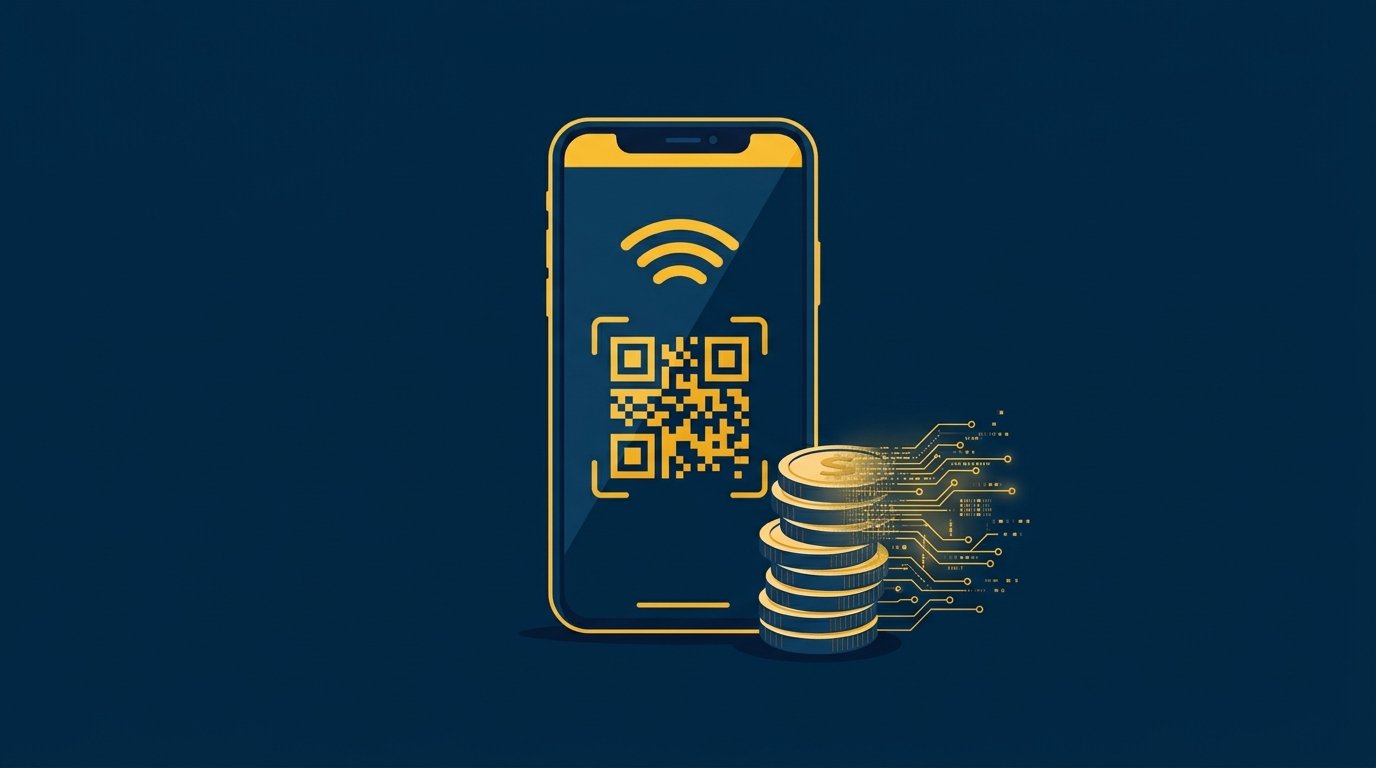
Article 2 adds express definitions of QR codes (Quick Response codes) and NFC devices (Near-Field Communication), tied to contactless payment acceptance. Since September, Asociación FinTech México had raised a technical reservation: that accepting QR payments at point-of-sale terminals should respect technology neutrality and account for implementation costs and timelines.
The role of the Secretaría de Hacienda
According to DPL News, the Secretaría de Hacienda will be able to define the strategic sectors and relevant activities in which only electronic payment methods are accepted. The criteria and timetable will depend on secondary regulation, which will be decisive for the real impact on merchants, fintechs and consumers.
Our view at CEA Digital Law
This is our own assessment. Promoting electronic payments brings traceability, efficiency and, if well designed, financial inclusion. But a sector-level obligation to accept only electronic means needs safeguards so that nobody is left out: real access to accounts and connectivity, and alternatives for unbanked people and areas with poor coverage.
We suggest three lines for the secondary rules. First, objective, public and reviewable criteria for designating sectors, with prior consultation. Second, a gradual rollout and support for small businesses facing adoption costs. Third, interoperability and technology neutrality, so that QR, NFC and other solutions compete on equal terms.
Regional comparison is helpful. Brazil, with Pix, relied on interoperable public infrastructure that drove adoption without imposing exclusivity. In Europe, the payment services framework and the digital euro under discussion keep cash as legal tender. Other Latin American and African countries, where mobile money is widespread, can take a lesson from Mexico: adoption comes from incentives and consumer and data protection as much as from mandates. Open questions remain on how this will fit with legal tender rules and the protection of financial data.
Sources
- DPL News: Sheinbaum promulga la Ley de Economía Digital para Pagos Digitales en México
- Diario Oficial de la Federación, 4 de noviembre de 2026
CEA Digital Law
Lettre d’information
Événements, actualités et analyses sur le droit numérique, dans votre boîte de réception. Seulement quand il y a quelque chose à dire.