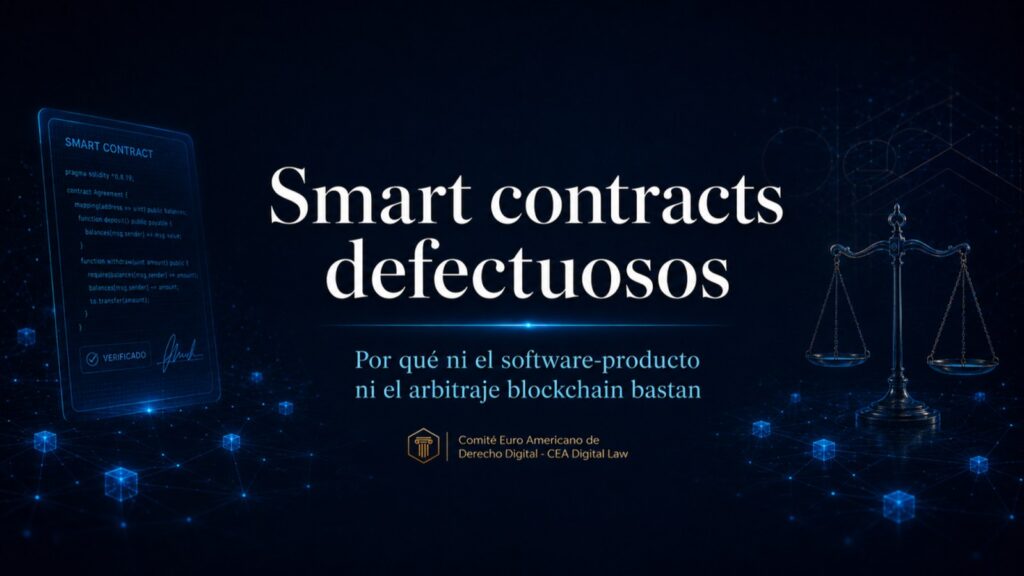
Blockchain-based smart contracts are revolutionising lending, global payments and asset tokenisation by allowing agreements to be executed automatically and transparently, with no need for intermediaries. Although they are called contracts, they are nothing more than computer programs that run autonomously on a blockchain, a decentralised network of computers.
– Lending: they make it possible to create P2P (peer-to-peer) lending platforms without intermediaries. These contracts automate the entire lending process, from application and approval to the disbursement of funds and the payment of interest.
– Asset tokenisation: they facilitate the creation and management of digital tokens representing real-world assets, such as shares, real estate or works of art. These tokens can be exchanged and transferred securely and transparently, bringing greater liquidity and opening up investments that were previously out of reach.
– International payments: they can be used to make international payments quickly and securely, removing the need for financial intermediaries and reducing the associated costs. These contracts can include specific conditions, such as releasing funds once certain predefined criteria have been met.
النشرة
فعاليات وأخبار وتحليلات في القانون الرقمي تصلك على بريدك، ولا نراسلك إلا حين يكون لدينا جديد.