In brief
- On 29 October 2026 the European Commission said it would postpone for 12 months its decisions on draft national social media bans for minors, to prioritise the proposed EU Kids Act.
- Austria, whose draft was under review, has reacted critically, and other states such as Denmark are reluctant to wait.
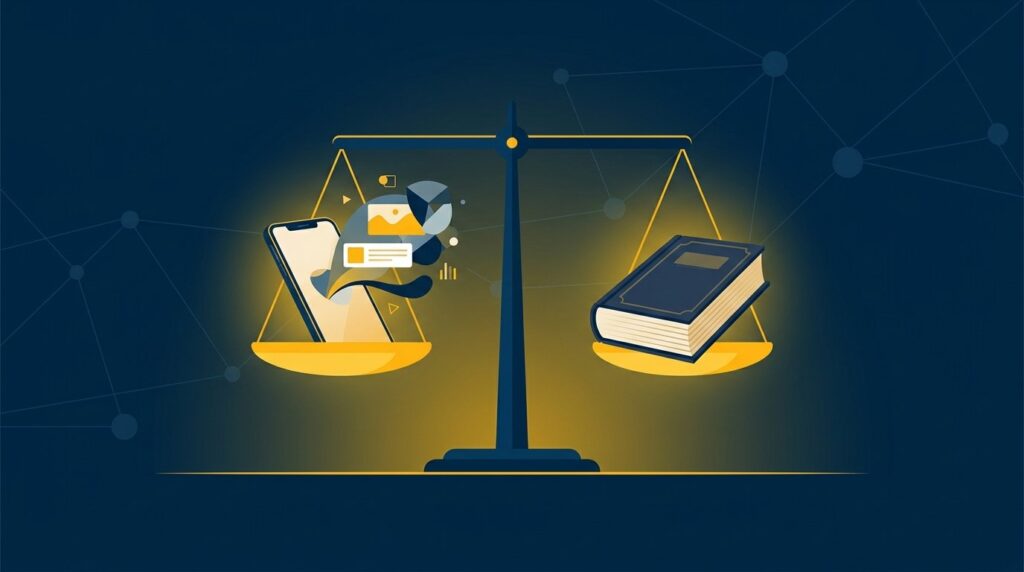
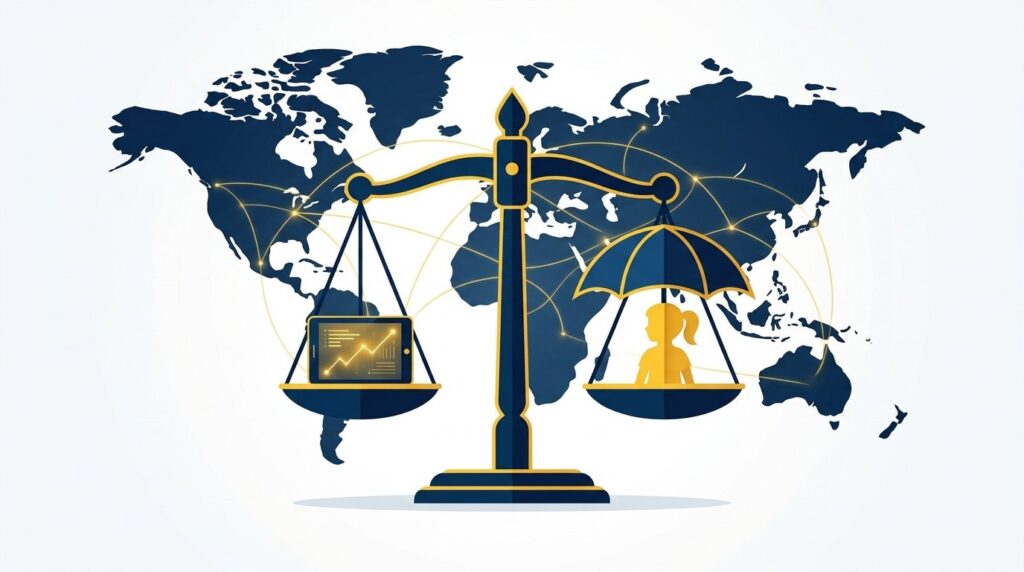
- The case shows the tension between national competence on child protection and harmonisation of the digital internal market.
The European Commission has decided to postpone for twelve months its view on national drafts restricting minors’ access to social media. In practice this pauses initiatives in several capitals while a common rule is negotiated. Rapporteur reported the announcement, made on Thursday 29 October 2026.
What the Commission has decided
Digital spokesperson Thomas Regnier said the delay is meant to avoid fragmenting the internal market. His point is that different ages and laws in each member state would make compliance unworkable for platforms. The step concerns drafts notified to Brussels under the prior notification procedure for technical regulations: without an opinion, states have no confirmation that their rules fit internal market law.
Austria is the first case. It notified its draft on 28 July, and the review period was due to end on 29 October. According to press reports, Greece and France are in a different legal and procedural position because they had already legislated. Greece adopted a law on 23 October restricting access for under-15s from 1 January 2027.
The EU proposal and the reactions
The Commission is prioritising the EU Kids Act, proposed last month. The draft would ban under-13s from social media and video-sharing platforms and limit access for 13 and 14 year olds, with parental consent. Meanwhile, the Commission says the Digital Services Act (DSA) will continue to apply.
In Vienna, State Secretary Alexander Pröll called it unacceptable to block national laws without a complete European solution, and Vice-Chancellor Andreas Babler said Austria will use the year to prepare its framework. Denmark, according to media reports, is also unwilling to wait for lengthy talks between the European Parliament, the Commission and member states.
Our view at CEA Digital Law
The conflict is genuine: protecting minors is a legitimate concern for states, and harmonisation is a legitimate aim for the Union. A one-year freeze can be reasonable if it comes with a credible timetable; without one, it feeds the impression that Brussels blocks without offering an alternative. We suggest three things: public, binding deadlines for negotiating the EU Kids Act; a channel for states to feed national experience into the final text; and clarity on how laws already adopted will be treated, to avoid inequality between countries.
The comparison also matters for Latin America and the Caribbean and for Africa, where age limits and verification are under debate. A patchwork of national rules makes enforcement against global platforms harder, but a common rule will only be legitimate if it is proportionate and respects the privacy and rights of children and teenagers. An open question remains: how can age be verified without creating new risks for personal data?
Sources
- Rapporteur: Commission freezes decisions on national social media bans
- Brussels Morning: EC Pauses National Youth Social Media Bans
- ProtoThema: Commission asks member states to freeze social media bans
CEA Digital Law
النشرة
فعاليات وأخبار وتحليلات في القانون الرقمي تصلك على بريدك، ولا نراسلك إلا حين يكون لدينا جديد.