Lawyers in the age of AI, and the supposed threat of being replaced by it.
Antonio Tejeda Encinas, Lawyer, President of the Euro-American Committee of Digital Law - CEA Digital Law
CEO of Meta Channel Corp
As a lawyer specialising in digital law and digital transformation, I can see that the arrival of artificial intelligence (AI) is significantly transforming legal practice. Although AI is not expected to replace lawyers entirely, those who master these emerging tools and use them effectively are more likely to gain an edge in the changing legal landscape.
Technology now permeates every sector of activity, and the legal field is no exception. The ability to adapt and make the most of digital tools has become crucial to staying relevant in an increasingly interconnected and automated legal world.
AI can not only speed up routine processes, such as reviewing legal documents, but also provide predictive analysis based on historical data, improving strategic decision-making. It is essential to understand, however, that implementing these technologies successfully requires in-depth knowledge not only of the law but also of how to apply technological solutions efficiently.
In this respect, competition between lawyers lies not only in their ability to interpret and apply the law but also in their skill at harnessing the advantages that AI offers. The threat is not so much wholesale replacement by machines as the possibility that colleagues better versed in these emerging tools will become more efficient and, as a result, more competitive.
Digital transformation means not only adopting new technologies but also adapting professional mindsets and skills. Lawyers must learn to use AI effectively, understand its ethical implications and use it ethically in their practice. Information security also becomes even more critical in a digital environment, where privacy and data protection are fundamental concerns.
Artificial intelligence also raises ethical and legal challenges. How can we guarantee the impartiality of the algorithms used in legal decision-making? How can client privacy be protected in an environment where data is analysed on a massive scale? These questions call for careful reflection and appropriate regulation to safeguard the fundamental principles of justice and fairness.
In the field of intellectual property, AI raises questions of authorship and liability. Who is legally responsible when a machine creates something original? These dilemmas require existing laws to be adapted to deal with the unprecedented situations that technological change is producing.
Access to justice is also affected by digital transformation. Online platforms and legal chatbots can improve accessibility, but they also raise questions about the quality and fairness of legal assistance. How can we make sure that digital solutions do not exclude those who have no access to technology or do not understand how it works?
In conclusion, as a lawyer specialising in digital law and digital transformation, I believe it is imperative not only to understand the legal complexities of technology but also to acquire the practical skills needed to use emerging tools efficiently. Competing in the legal world of the 21st century is not just a question of legal knowledge; it is about being able to combine that knowledge with technological innovation to deliver effective and ethical legal services in an ever-changing digital environment.
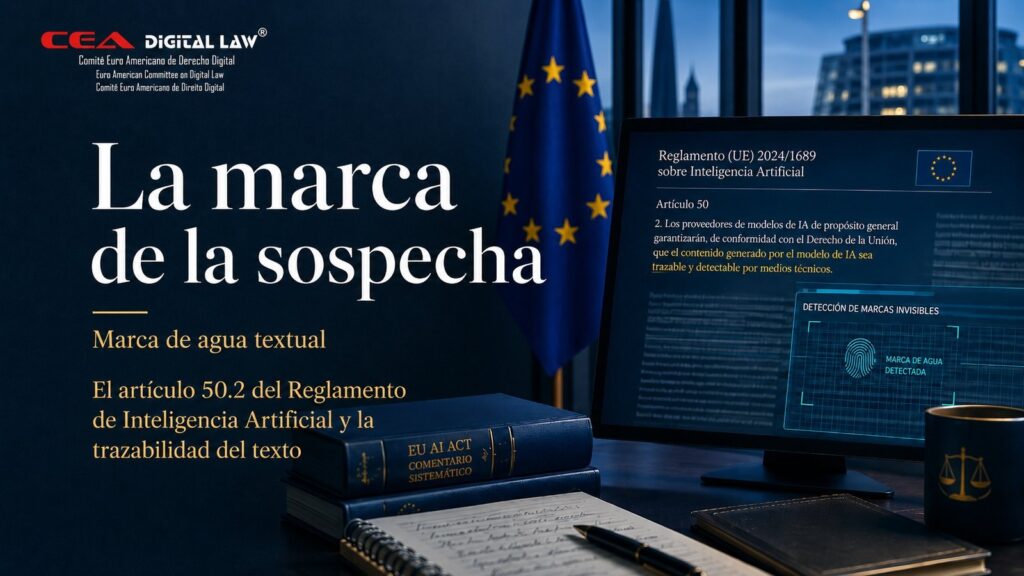
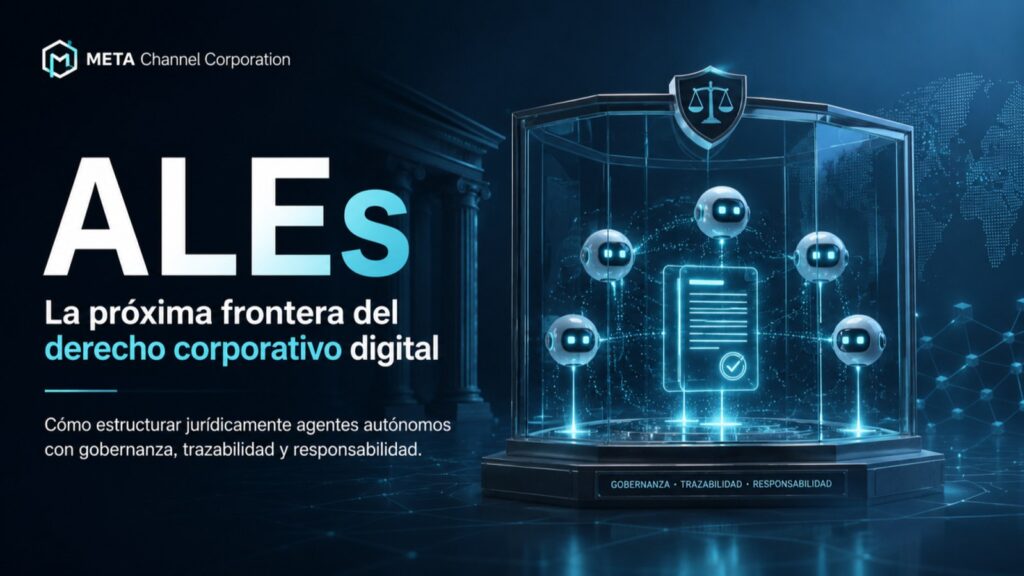
At the Euro-American Committee of Digital Law - CEA Digital Law, in collaboration with Meta Channel Corp, we provide training in every area of digital law and legal marketing.
Lettre d’information
Événements, actualités et analyses sur le droit numérique, dans votre boîte de réception. Seulement quand il y a quelque chose à dire.